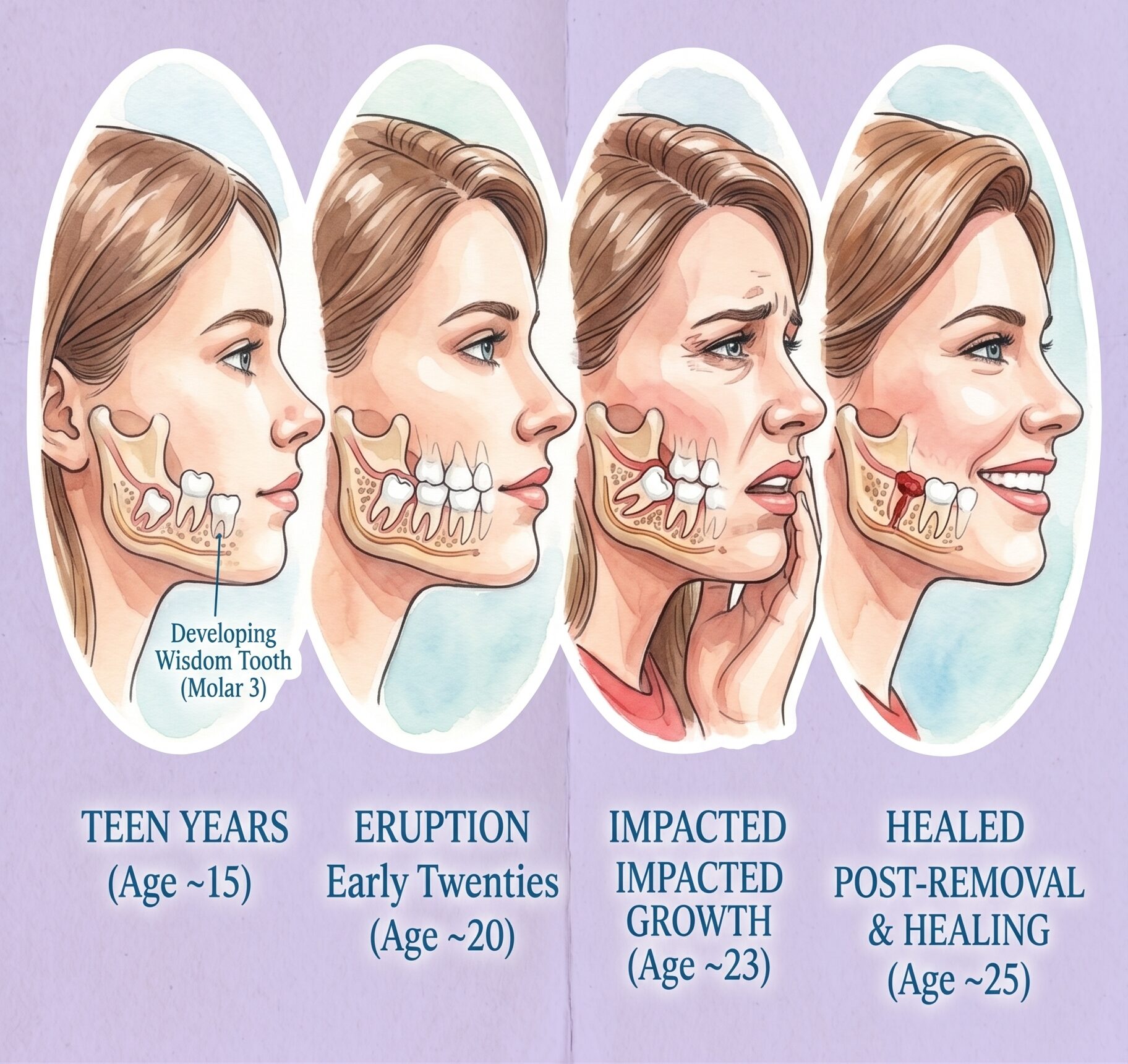
I often meet patients who have been living with a missing tooth for years, assuming the only consequence is a small gap in their smile. In reality, the mouth is a dynamic system where every tooth plays a role in maintaining balance. When even one tooth is lost, it can become the first domino in a chain of changes — neighboring teeth begin to shift, opposing teeth may over-erupt, and the bite can gradually alter. Over time, these movements can affect not only chewing function but also the overall shape and support of the face.
The Chain Reaction After Tooth Loss
When a tooth is lost, the changes are not limited to the visible gap. The jawbone in that area relied on stimulation from chewing forces transmitted through the tooth root. Once that stimulation stops, the body begins a natural process called bone resorption, where unused bone gradually shrinks in height and width.
At the same time, neighboring teeth no longer have the same support system. They can begin to drift or tilt into the empty space, while the tooth on the opposite jaw may slowly move outward because it no longer meets resistance when biting. These movements may be subtle at first, but over months and years they can disturb the balance of your bite.
As the alignment changes, chewing forces are distributed unevenly. This can place extra strain on certain teeth, increase wear, and make oral hygiene more difficult in newly created tight or angled spaces. What began as a single missing tooth can quietly set off a series of mechanical and biological shifts that make future treatment more involved than it would have been earlier.
Long-Term Effects on Your Bite and Facial Structure
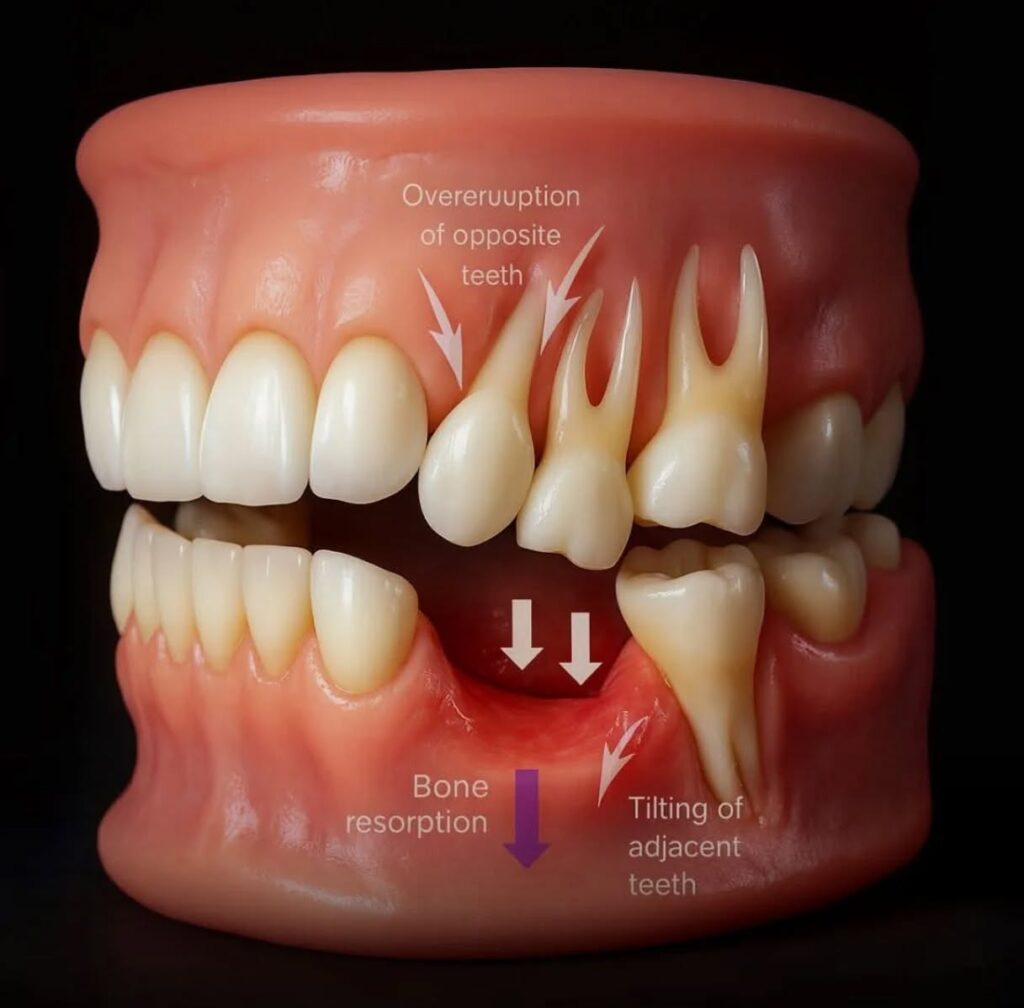
Over time, the gradual loss of bone and shifting of teeth can significantly change how your bite functions. When teeth move out of their natural alignment, the forces of chewing are no longer evenly distributed. Certain teeth may take on more pressure than they were designed to handle, which can lead to accelerated wear, cracks, sensitivity, or discomfort in the jaw muscles. Some patients also begin to notice changes in how their teeth come together, such as a feeling that their bite is “off” or that certain teeth touch first.
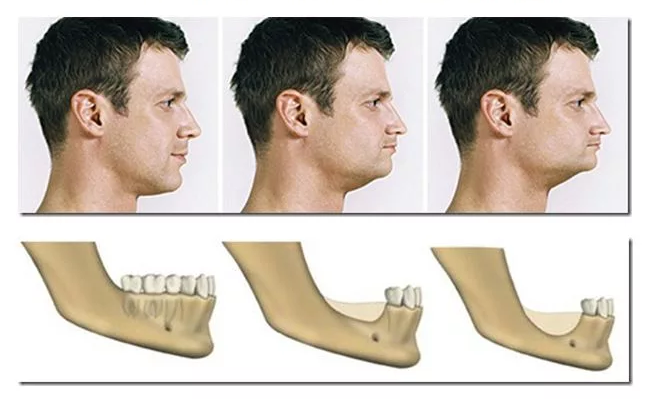
Beyond function, the jawbone plays an important role in supporting the lower portion of the face. As bone volume decreases in areas where teeth are missing, the underlying support for the lips and cheeks can slowly diminish. Over many years, this may contribute to a more sunken appearance around the mouth or changes in facial contours. While these changes happen gradually, they reflect the long-term impact that a single missing tooth can have on both oral health and facial structure.
Why Delayed Implants Become More Complex
As time passes after tooth loss, the changes in bone and tooth position can make implant treatment less straightforward than it would have been earlier. When bone resorption progresses, there may no longer be enough height or width of bone to securely support an implant. In these cases, additional procedures such as bone grafting or sinus augmentation may be required before placement is possible.
Shifting teeth and altered bite patterns can also complicate the restorative phase. If adjacent teeth have tilted or opposing teeth have over-erupted, space for the implant crown may be reduced or misaligned. This can require adjustments to neighboring teeth, bite correction, or more detailed planning to ensure the final restoration fits properly and functions comfortably.
How Modern Digital Planning Improves Precision
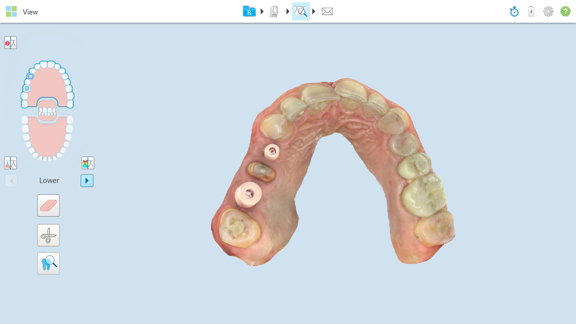
Advances in digital dentistry have changed how implant treatment is planned and restored. Instead of relying only on traditional impressions, digital records provide detailed 3D information about the teeth, gums, and bite. This helps ensure the implant restoration fits comfortably and functions naturally.
In my practice, I use the iTero intraoral scanner to capture accurate digital scans of the mouth. These scans create a precise model used to evaluate spacing, bite relationships, and how the future implant crown will align with surrounding teeth. Digital files also improve communication with the dental laboratory and can reduce the need for adjustments.
This level of planning is especially helpful when teeth have shifted over time, as small discrepancies can affect comfort and long-term stability. Working with detailed digital information allows treatment to be carried out with greater predictability and attention to fine details.
When Should You Book an Implant Consultation?
You do not need to wait for pain to seek advice about a missing tooth. An implant consultation is worth considering if you have had a gap for months or years, notice teeth shifting, feel changes in your bite, or find food trapping in the area. Even if the space does not bother you daily, the underlying bone and alignment changes may still be progressing. An evaluation allows the area to be assessed, your bite reviewed, and options discussed before the situation becomes more complex.
Replacing a missing tooth is not only about restoring appearance — it is about preserving bone, maintaining bite balance, and protecting long-term oral health. If you have been living with a missing tooth and are unsure about the next step, a professional assessment can clarify what is happening beneath the surface. Markham South Dental offers a free implant consultation, where we review your situation, take the necessary images, and discuss whether implant treatment is appropriate for you, with no obligation.