Plaque and tartar build up even with daily brushing. Learn why professional dental cleaning is important for preventing gum disease and protecting your oral health.
This guide explains the difference between plaque and tartar and why teeth cleaning keeps your mouth healthy.
What is Plaque
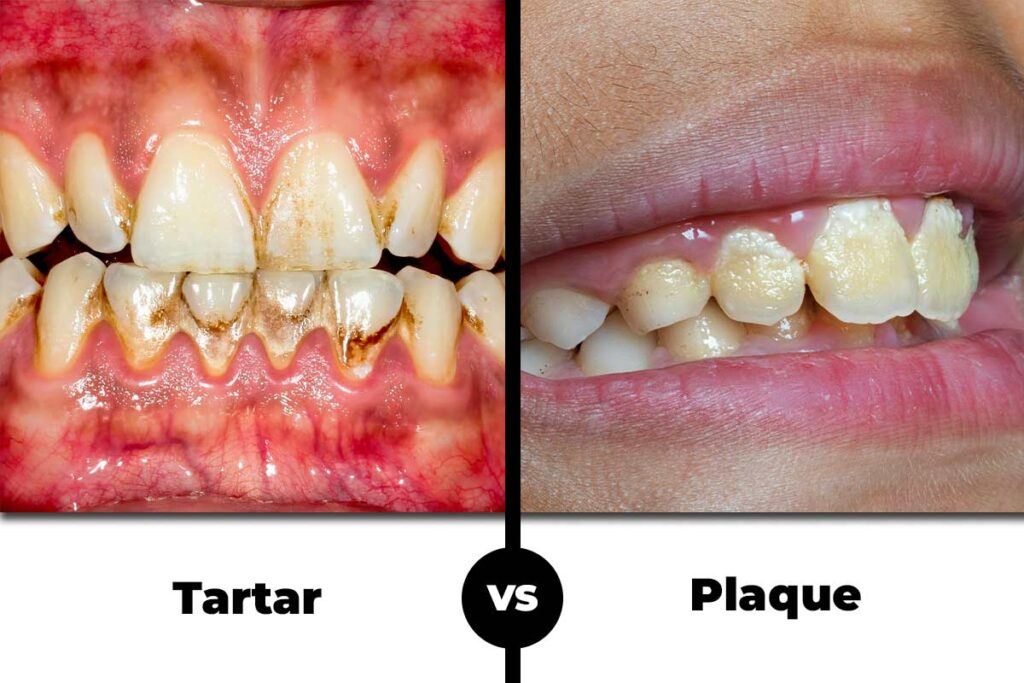
Plaque is a soft, sticky film of bacteria that forms on teeth throughout the day. It develops when bacteria mix with food particles and saliva, creating a thin biofilm along the teeth and gumline.
Although often invisible, plaque is active. The bacteria produce acids that can weaken enamel and irritate the gums. If not removed through brushing and flossing, plaque continues to build up — especially in hard-to-clean areas.
What Is Tartar (Calculus)?
Tartar, also known as calculus, forms when plaque is not removed and hardens on the teeth. This can begin within 24–72 hours as minerals in saliva cause the soft plaque to calcify into a rough, hardened deposit.
Unlike plaque, tartar cannot be removed with brushing or flossing at home. It typically builds up along the gumline and between teeth, creating a surface that allows more bacteria to attach. Over time, this buildup increases the risk of gum inflammation and periodontal disease, which is why professional dental cleaning is necessary to remove it safely.
Why Brushing and Flossing Are Not Enough
Brushing and flossing are essential for removing daily plaque, but they cannot eliminate tartar once it has hardened on the teeth. Even with good technique, certain areas — such as behind the lower front teeth or along the gumline — are difficult to clean completely at home.
When small amounts of plaque remain, they can calcify into tartar, which firmly attaches to the tooth surface. At that stage, only professional instruments used during a dental cleaning can safely remove the buildup. Regular cleanings help address what routine home care cannot fully prevent.
What Happens If Tartar Is Not Removed
When tartar remains on the teeth, it creates a rough surface that allows more bacteria to accumulate. This buildup irritates the gums, often leading to redness, swelling, and bleeding — early signs of gingivitis.
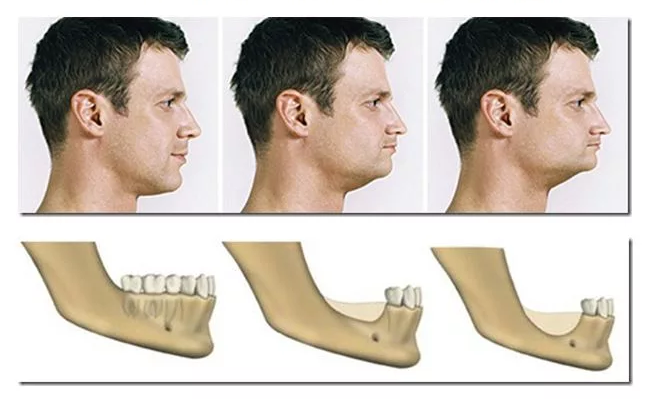
If left untreated, inflammation can progress deeper below the gumline, affecting the supporting bone around the teeth. Over time, this can lead to periodontal (gum) disease, gum recession, and even tooth mobility. Because tartar cannot be removed at home, professional dental cleaning plays an important role in preventing these long-term complications.
How Often Should You Get a Professional Cleaning?
You can remove plaque with brushing and flossing. If plaque turns into tartar, you need professional help. A dentist or dental hygienist will remove it with special tools.
Regular Dental Cleaning in Markham is the only way to treat tartar. You must remove both plaque vs tartar to keep your teeth healthy.
For most adults, professional dental cleaning is recommended every six months. This schedule helps remove tartar buildup, monitor gum health, and detect early signs of cavities or periodontal disease before they become more serious.
However, some patients may benefit from more frequent cleanings. Individuals with a history of gum disease, heavy tartar buildup, smoking, diabetes, or orthodontic appliances may require visits every three to four months. The appropriate interval depends on your oral health status and risk factors, which can be assessed during a dental examination.
Professional Teeth Cleaning in the Greater Toronto Area
At Markham South Dental, cleanings are performed with careful attention to plaque and tartar removal, gum health evaluation, and personalized oral hygiene guidance.
We regularly see patients not only from Markham, but also from nearby communities such as North York, Scarborough, Richmond Hill, and Vaughan who are looking for thorough, preventive dental care. Whether you are maintaining a healthy smile or addressing early signs of gum inflammation, professional cleaning helps protect both your teeth and supporting bone structure.
If it has been more than six months since your last dental cleaning, booking an appointment can help prevent small issues from developing into more complex problems.