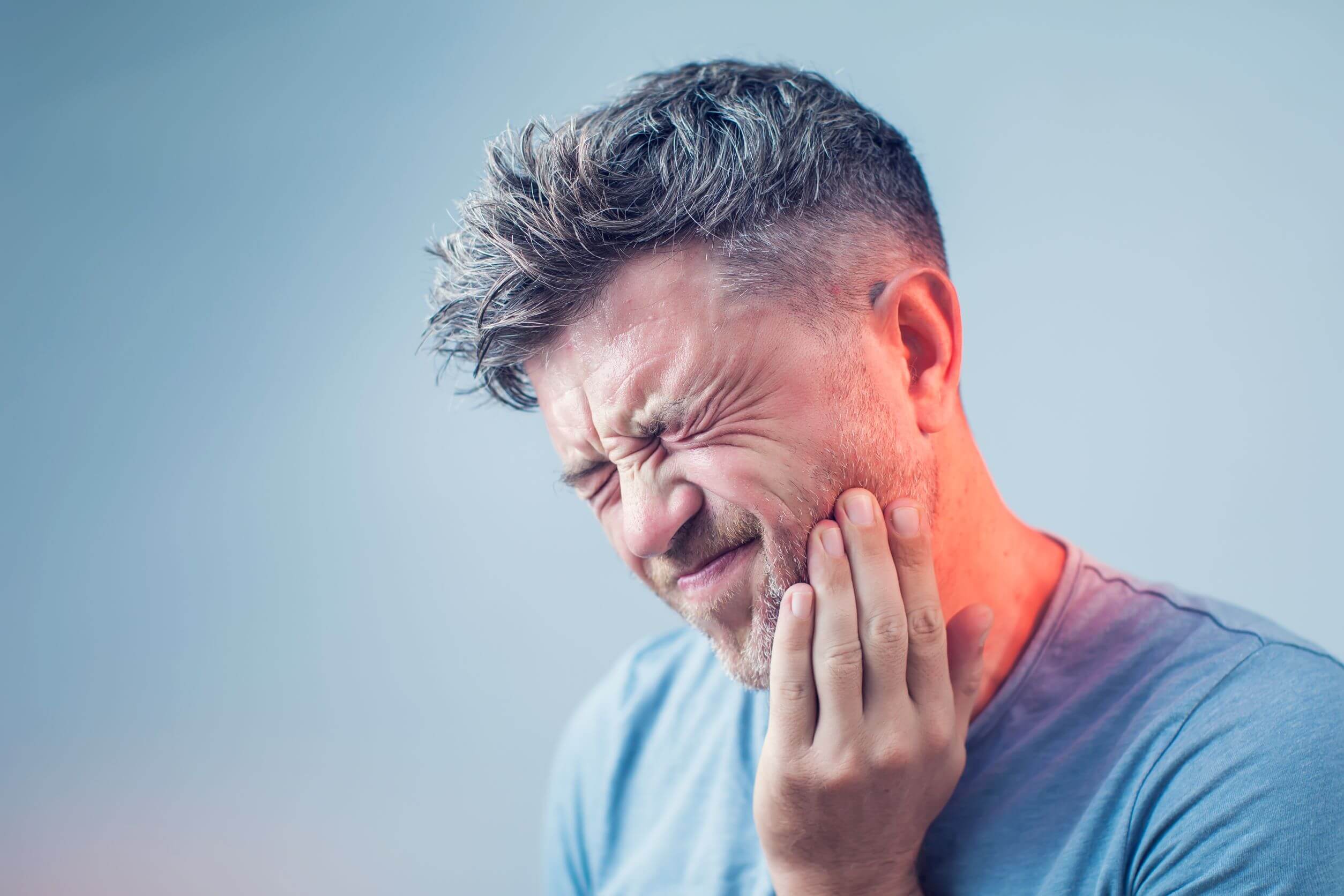
Wondering if you need your wisdom teeth removed? Learn about impacted wisdom teeth, why early removal is beneficial, what happens during the procedure, and essential recovery tips.
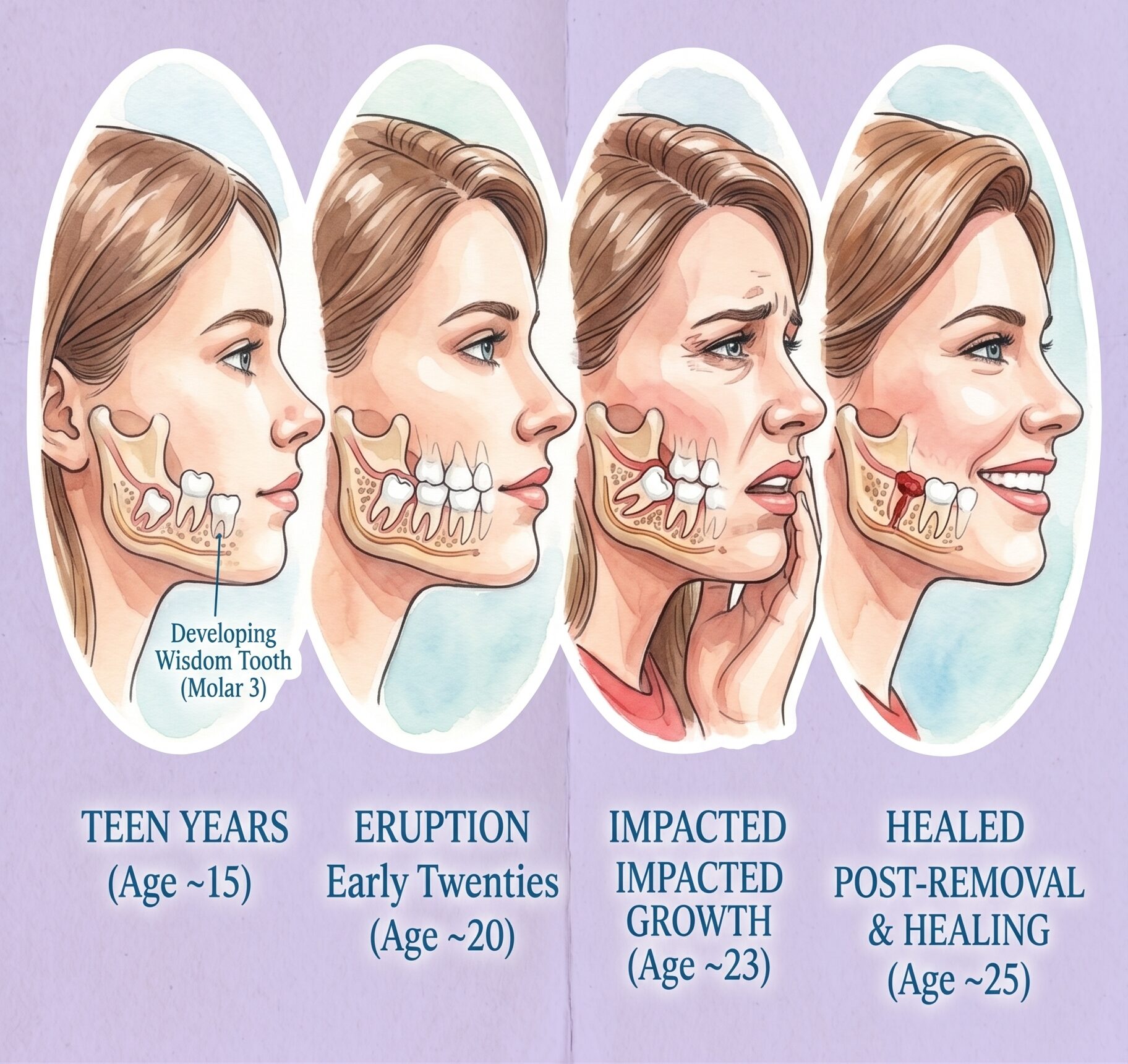
Wisdom teeth—or third molars—are typically the last teeth to emerge, usually appearing between the late teens and early twenties. Because modern jaws are often too small to accommodate them, these teeth frequently become impacted (trapped beneath the gums or jawbone), leading to pain, alignment issues, or infection.
Understanding why wisdom teeth cause problems and what to expect during treatment can help you make informed decisions about your oral health.
Common Problems Caused by Impacted Wisdom Teeth
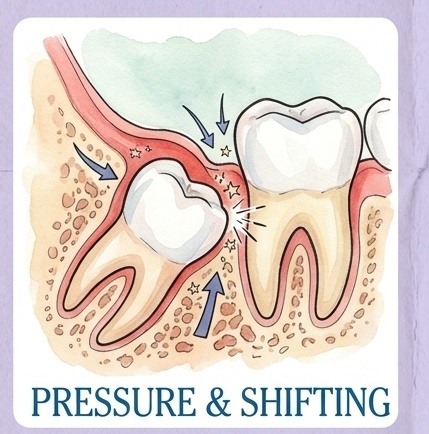
Wisdom teeth can grow in at awkward angles—tilting toward or away from adjacent teeth, horizontally, or vertically trapped in the jawbone. When left unmanaged, they can cause:
Crowding and Shifting: Pressure from incoming molars can damage neighbouring tooth roots and disrupt previous orthodontic work.
Infection and Gum Disease: Partially erupted teeth create gum flaps where bacteria and food particles easily accumulate, making thorough cleaning difficult.
Cysts and Bone Damage: Fluid-filled sacs (cysts) can form around the crown of an impacted tooth, potentially damaging the surrounding jawbone and nerves.
Tooth Decay: Hard-to-reach positioning makes both the wisdom tooth and adjacent molars highly prone to cavities.
Why Consider Early Removal?
In younger patients (teens to early twenties), wisdom teeth roots are not yet fully formed, and the surrounding jawbone is less dense. Removing them earlier offers key advantages:
Simpler, less invasive surgical procedures
Faster post-operative healing and bone regeneration
Lower risk of nerve involvement or sinus complications
What to Expect During the Procedure
Your dentist or oral surgeon will evaluate your mouth using diagnostic digital X-rays to assess root positions and nerve proximity before recommending treatment.
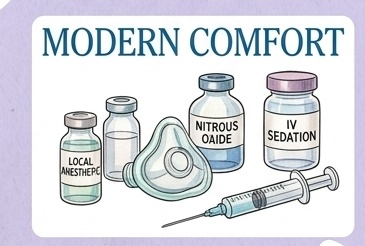
Sedation Options: Local anesthesia, nitrous oxide (laughing gas), or IV sedation ensure you remain comfortable throughout the procedure.
Simple Extraction: If the tooth has fully erupted through the gumline, it is gently elevated and removed with forceps.
Surgical Extraction: For impacted teeth, a small incision is made in the gum tissue, and the tooth may be sectioned into smaller pieces for easier, minimally invasive removal. The area is then closed with sutures.
Post-Surgery Recovery & Aftercare Tips
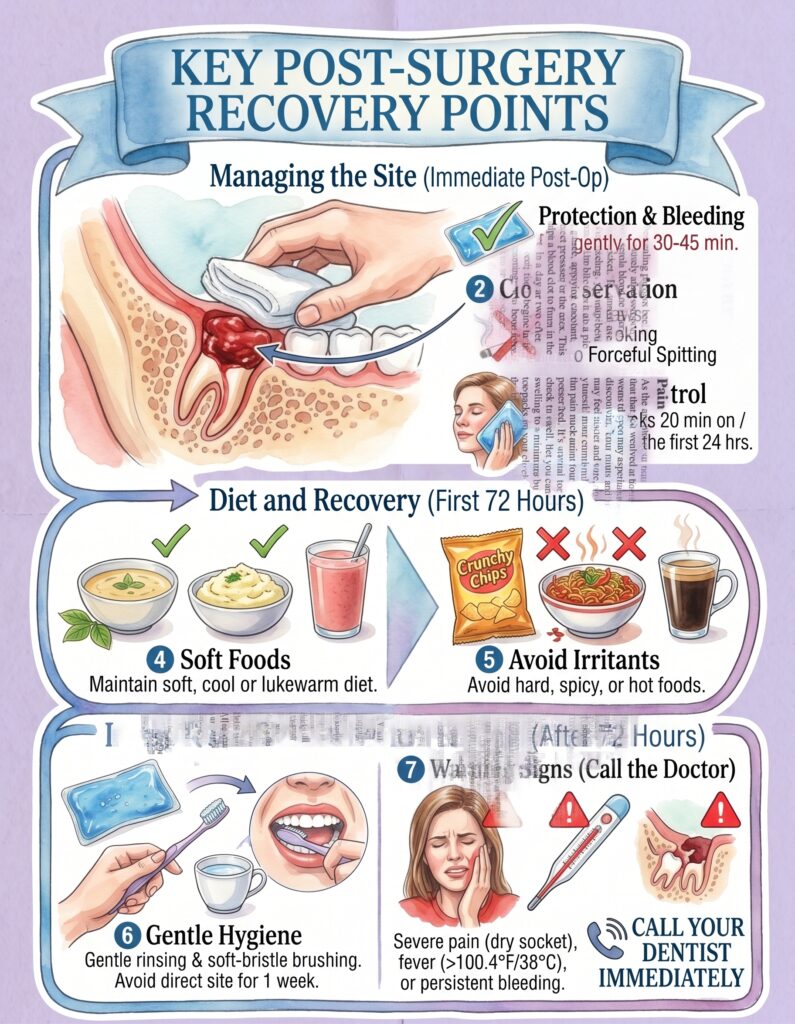
A smooth recovery centers on protecting the blood clot that forms in the extraction socket to prevent complications like dry socket.
| Do’s | Don’ts |
| Bite gently on gauze pads to control bleeding directly after surgery. | Do not drink through a straw, spit forcefully, or smoke, as suction can dislodge the blood clot. |
| Apply ice packs to your cheeks in 20-minute intervals for the first 24 hours to reduce swelling. | Avoid hard, crunchy, or chewy foods for several days; stick to soft, lukewarm items. |
| Eat soft foods like soups, yogurt, smoothies, and mashed potatoes. | Avoid vigorous rinsing or brushing directly over the surgical sites during the initial 24 hours. |
| Take prescribed or recommended medications consistently to manage discomfort and prevent infection. | Avoid strenuous physical exercise for the first few days to keep blood pressure stable. |
Wisdom Teeth Advice in Markham
If you are experiencing jaw pain, swelling, or suspect your wisdom teeth may be coming in, addressing them early can make a significant difference in preventing complications. What begins as mild pressure can develop into difficult impactions, localized infections, or damage to adjacent teeth if left unmonitored.
At Markham South Dental, we focus on evaluating the position and growth of your wisdom teeth through comprehensive imaging and exams. Together with our team, we walk you through your treatment and sedation options to ensure a smooth, comfortable procedure that protects your long-term oral health.