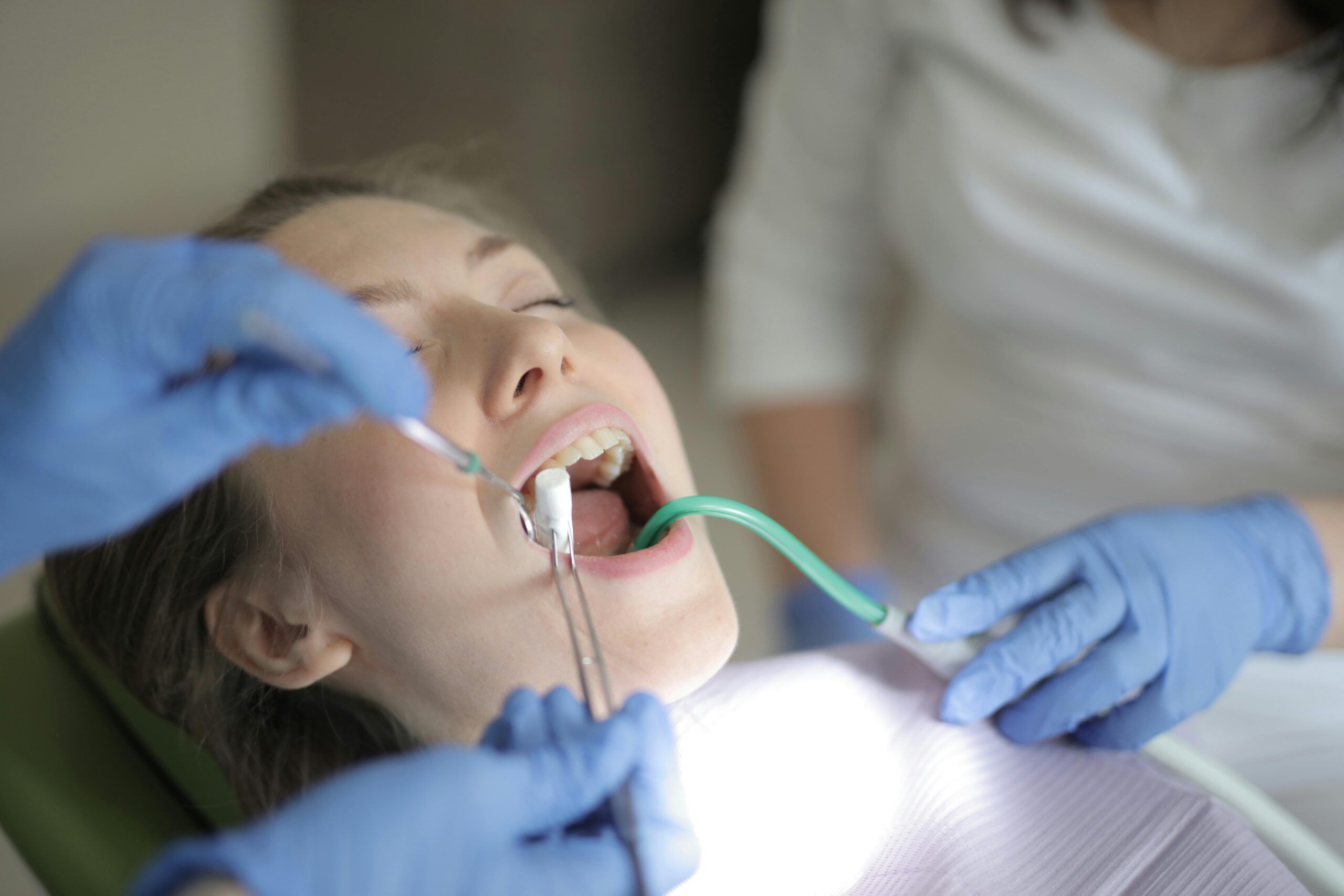
Yesterday, I treated a patient who had been in significant pain after delaying their wisdom tooth extraction. After the procedure, they asked an important question – when should their children be assessed for wisdom teeth so they would not have to endure the same ordeal?
I thought, I would share the answer with my Markham area and York region family of patients.
Wisdom teeth, also known as third molars, are the last set of permanent teeth to develop. They typically emerge between the ages of 17 and 25, a stage of life often associated with gaining “wisdom,” which is how they got their name.
In reality, these teeth frequently cause problems rather than benefits. Many people do not have enough space in their jaws to accommodate them, leading to discomfort, infection, or alignment issues.
Here is an interesting read on why our jaws evolved this way.
What Are Wisdom Teeth?
Wisdom teeth are located at the very back of your mouth, behind your second molars. Most people have four, though some have fewer, and some have none at all.
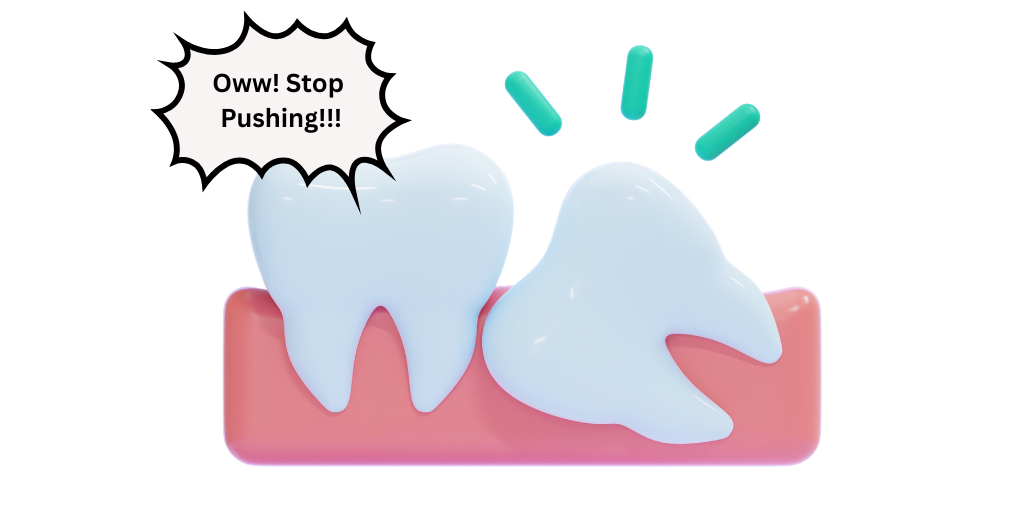
Unlike other teeth, wisdom teeth often grow at odd angles or fail to fully erupt through the gums. When this happens, they are considered “impacted.”
Impacted wisdom teeth can press against neighboring teeth, irritate the surrounding bone, and trap food and bacteria beneath the gum line. This can lead to swelling, infection, and constant or throbbing pain, especially when chewing or biting. Over time, repeated inflammation in this area can make the discomfort worse and more difficult to manage without professional treatment.
Common Problems Caused by Wisdom Teeth
Apart from the pain caused by impaction, here’s a list of some other problems that wisdom teeth can cause when there is insufficient space in jaws.
Gum inflammation and swelling
Pain or pressure in the back of the mouth
Crowding of nearby teeth
Increased risk of cavities and gum disease
Infections around partially erupted teeth
Even if wisdom teeth are not currently painful, they can still pose future risks that dentists monitor through regular X-rays.
Should I have my Wisdom Teeth Extracted?
The answer is.. it depends. In some cases, preventive extraction is advised even before symptoms appear, particularly in younger patients whose bone structure allows for easier healing.
Dentists typically recommend wisdom tooth removal when there is evidence of:
Impaction
Recurrent infection
Damage to adjacent teeth
Cyst formation
Significant crowding
It is best to listen to your dentist’s advice when it comes to wisdom teeth. Once you have been advised to have them extracted you should do it sooner rather than later. The risk of complications only increases with time.
Younger patients heal faster, and that is why many dentists advise extraction while you are still young.
My fastest recovering patients are usually the high-school teenagers (shoutout to the students over at Milliken Mills High School just down the road from us!).
Is Wisdom Tooth Extraction Different than Regular Teeth Extraction?
Yes, Wisdom teeth extraction is considered more complex than a simple extraction because of the impaction, which requires surgical skill. With time, the impaction gets worse and that is why many dentists advise getting them removed sooner rather than later.
Most routine extractions are completed within an hour under local anesthesia, some even faster. Patients are provided with post-operative care instructions to minimize swelling, bleeding, and discomfort.
What are the Chances of Complications?
While no procedure is 100% perfect, when performed correctly and aftercare instructions are followed correctly, the chances of complications are slim.
I perform wisdom tooth extractions for all ages at my practice almost every other day, and cannot remember the last time there was a severe complication.
Recovery times vary, but most patient recover within a couple of weeks.
Final Thoughts
Wisdom teeth are a natural part of dental development, but they are not always beneficial. Regular dental checkups and imaging are the best way to determine whether extraction is necessary.
If you are experiencing pain, swelling, or uncertainty about your wisdom teeth, a professional evaluation can provide clarity and peace of mind.
Is it time for your wisdom teeth assessment? book a consultation with Dr. Mubashir today.